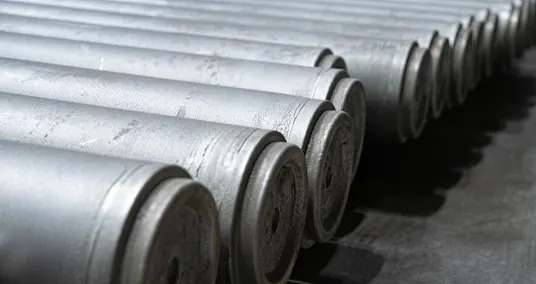
Fears of global aluminium shortages that could affect the production of clean energy technologies intensified after Iran struck two major Gulf aluminium producers, sending prices to a four-year high. The Middle East accounts for 9% of the world’s production of aluminum, which is essential to a wide range of industries from transportation, construction, and packaging, as well as the manufacture of solar panels, electrical transmission systems, wind turbines, and EVs.
Export shipments to the US and Europe had already come to a halt because of the effective closure of the Strait of Hormuz, and Morgan Stanley economists singled out aluminium as carrying a high level of risk across the value chain. Andy Farida, an aluminium analyst at Fastmarkets, told Semafor that high prices would be passed on to end-users, ultimately causing demand destruction. “A prolonged shutdown (with little to no alternative supplies other than Russia and China) could cripple the supply of aluminium to support the production of clean and green technology,” he said, adding that relief could come “if governments allow some sanctioned Russian and Chinese aluminium to be imported.”




 Scientists solve the mystery of 'impossible' merger of 'forbidden' black holes
- Instructions to Amplify Certifiable Experience While Chasing after an Internet Advertising Degree
- Extraordinary Shows to Long distance race on a Plane
- Israeli girl suffers cardiac arrest during sirens in Safed, hospitalized in serious condition
- 5 VIP Voice Exhibitions in Energized Movies
- First Phosphate advances battery-grade phosphate project as analysts highlight strategic Federal support
- Scientists find evidence that an asteroid contains tryptophan
- The most effective method to Boost Benefits in Gold Speculation: Master Techniques and Tips
- Lahav 433 head Asst.-Ch. Meni Benjamin named as police officer investigated for breach of trust