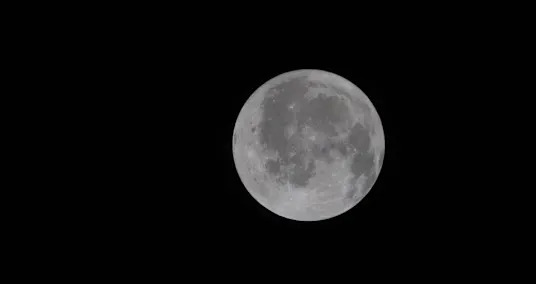
Awe-inspiring new photos captured by the Artemis II astronauts showcase the moon and the interior of the Orion spacecraft, offering a glimpse into their lives in space as they close in on another historic milestone.
One image highlighting the moon even captured a portion of the Orientale basin, which marks a first for human eyes, according to NASA. Only robotic imagers have witnessed this lunar region. The shadowed crater, which is 600 miles (965 kilometers) wide, represents a key transition region between the near and far sides of the moon.
Images taken from inside the Orion capsule have shifted from solely highlighting the glowing spectacle of Earth as seen from a cosmic perspective to refocusing on the moon as the mission draws closer to the silvery orb.
unknown content item
-
The crew is more than halfway to the moon, according to NASA, and their highly anticipated lunar flyby will occur on Monday.
The astronauts said the moon continues to appear larger through Orion’s windows as their journey continues.

The Artemis II images of Earth have been equally stunning, showcasing perspectives of our planet that haven’t been seen by human eyes since astronauts last left Earth orbit during the Apollo era.

The crew has also appeared live on camera throughout NASA’s continuing broadcast of the mission, allowing candid glimpses of their life in space.

In this new verdantly illuminated photo, the majority of the Orion spacecraft’s lights are turned off to avoid glare on the windows, allowing Canadian Space Agency astronaut Jeremy Hansen to look outside and enjoy the view.

And much like during the Artemis I mission in 2022, Artemis II’s journey will include multiple selfie opportunities. The Orion spacecraft’s solar array wings are equipped with cameras that can capture high-resolution selfies, including ones with the moon or Earth.
This image was taken during a routine external inspection of Orion using its cameras on the second day — while also providing a unique perspective of the capsule in the space environment.

NASA’s Artemis program is sending humans into deep space for the first time in more than five decades. Sign up for Countdown newsletter and get updates from CNN Science on out-of-this-world expeditions as they unfold.
For more CNN news and newsletters create an account at CNN.com
LATEST POSTS
- 1
 Looter indicted after pretending to be emergency worker at Dimona rocket crash site
 - 2Australia to offer businesses $693 million in cheap loans to ease fuel cost pressure
- 3The most effective method to Pick the Ideal Shrewd Bed for Your Special Rest Needs
- 4Transcript: NASA's Jared Isaacman on "Face the Nation with Margaret Brennan," April 5, 2026
- 5Mali and Canadian miner Barrick agree to resolve tax dispute, ending 2-year standoff




- Amplifying Cash The executives: The Upsides and downsides of Various Ledgers
- Figure out How to Streamline Eco-friendliness in Your Volvo XC40
- The 1 question we have to ask ourselves about the Taylor Frankie Paul 'Bachelorette' scandal
- 6 Popular Ladies' Aromas On the planet
- Colombia's military rescues 6 siblings who hid in the rainforest to escape from a rebel group
- Tesla Stock Hasn’t Looked This Cheap in a While
- The last penny was pressed by the U.S. Mint in Philadelphia today. Could the nickel and dime be next?
- Minneapolis ICE shooting: Woman dies after federal agent opens fire on her vehicle amid immigration crackdown
- Game theory explains why reasonable parents make vaccine choices that fuel outbreaks