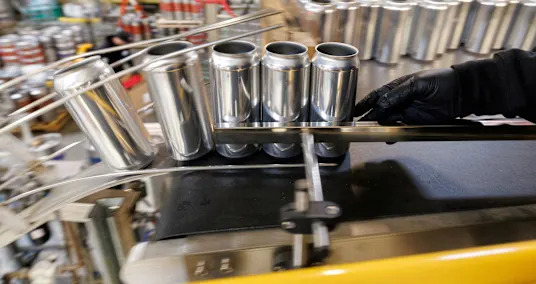
The Gulf’s 3.5 million tonnes of aluminum output is at risk because of the Iran war, and could trigger a global supply crisis according to analysts Wood Mackenzie.
Emirates Global Aluminium has halted operations in Abu Dhabi, after its Al Taweelah site sustained “significant damage” during an Iranian attack on March 28. That takes 1.6 million tonnes a year of production offline and it could take a year to repair. Aluminium Bahrain (Alba)’s facility was also hit by Iran on March 28 and its 1.6 million-tonne-a-year plant may now be working at just 30% of capacity. Qatar’s Qatalum is operating at around 60% capacity.
The Gulf accounts for around 23% of global, non-China aluminum production. Most Gulf output is sold overseas and the regional crisis is having a knock-on effect globally. Aluminum is in high demand from fast-growing industries such as electric vehicles, solar panels, wind turbines, and data centres. Prices are now at their highest level in four years.
LATEST POSTS
- 1
 First Alert: Light snow through this evening
 - 2Heartfelt Objections to Visit with Your Adored One
- 3New York to require social media platforms to display mental health warnings
- 4Ukrainian drones hit all three Baltic States − did Russia redirect them?
- 5Artemis 2 astronauts head for the moon after make-or-break engine burn (video)




- What to know about new CDC deputy director who has been critical of COVID vaccines
- How to watch ‘The Traitors’ Season 4: Premiere date, episode release time, full cast list and more
- What’s your chronotype? Knowing whether you’re a night owl or an early bird could help you do better on tests and avoid scams
- 10 Delectable Specialty Mixed drinks
- Sydney Sweeney is returning in 'The Housemaid's Secret': What to know about 'The Housemaid' sequel
- If someone's always late, is it time blindness, or are they just being rude?
- Boeing's troubled capsule won't carry astronauts on next space station flight
- Artemis II astronauts arrive at Florida launch site for first moon trip in 53 years
- Grasping Wrongdoings and Crimes: A Correlation