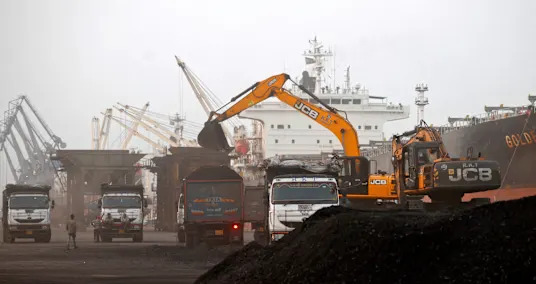
India’s much-delayed 2035 climate plan underestimates the country’s clean energy potential and allows for an acceleration of emissions growth, according to analysts. The plan aims to reduce the emissions intensity of its GDP by 47% from 2005 levels and increase the share of its electricity capacity from nonfossil sources to 60% by 2035.
The reduced carbon intensity target would, however, still allow India’s carbon emissions to increase by 70% over the next decade if GDP grows at a target rate of 7% per year, Lauri Myllyvirta of the Centre for Research on Energy and Clean Air told Semafor. That would translate to emissions growth of 5.5% per year, above the average rate of 3.5% over the past decade.
India is also on track to achieve its clean power capacity target well ahead of time: Its Central Electricity Authority projects that nearly 70% of power capacity will come from nonfossil sources by 2035-36.
“India’s booming clean energy industry is highly likely to deliver much faster progress than policymakers were prepared to commit to,” Myllyvirta said. Disruptions to oil and gas flows caused by the Iran war and the competitiveness of clean energy could strengthen the case for accelerating renewable deployment.
LATEST POSTS
- 1
 Sexual violence is being used as a weapon in Sudan's war, doctors group says
 - 2Well known Worldwide Caf\u00e9s to Experience
- 3Photos: Hundreds Gather at Bondi Beach After Deadly Attack
- 4Self-sacrificing ants highlight the unity of their colony, say researchers
- 5Top 20 Compelling Business Books for Progress


- It's official: NASA's Artemis 2 moon mission will break humanity's all-time distance record
- RFK Jr. wants to scrutinize the vaccine schedule – but its safety record is already decades long
- Argentina reportedly delaying embassy move over Israeli company's oil project near Falklands
- 5 Arising Professions in Environmentally friendly power
- Key Caper d: A Survey of \Procedure and Tomfoolery Released\ Tabletop game
- What is IDF's view on pontential long-term occupation of southern Lebanon?
- At least 55 injured in Russia after train crashes, overturns
- Scientists find evidence that an asteroid contains tryptophan
- NASA begins fueling rocket to launch astronauts on the first lunar trip in half a century